Beyond the comforting aroma and delicious taste, tea cultures around the globe have embedded hidden meanings, ancient rituals, and fascinating symbolism into every cup. In this article, we explore some of the most unique cultural tea experiences from different corners of the world. Indeed, exploring cultural tea experiences reveals how tea shapes traditions and connections worldwide.
From the way a single leaf is interpreted to predict your future, to the profound artistic statements made by humble teapots, tea has always communicated far more than simply “refreshment.” This National Tea Day, we invite you to unravel some of the lesser-known, extraordinary tales behind this beloved brew. Tea experiences that hold cultural significance are at the heart of these stories.
Staying on a Tea Estate: Sleep Among the Leaves
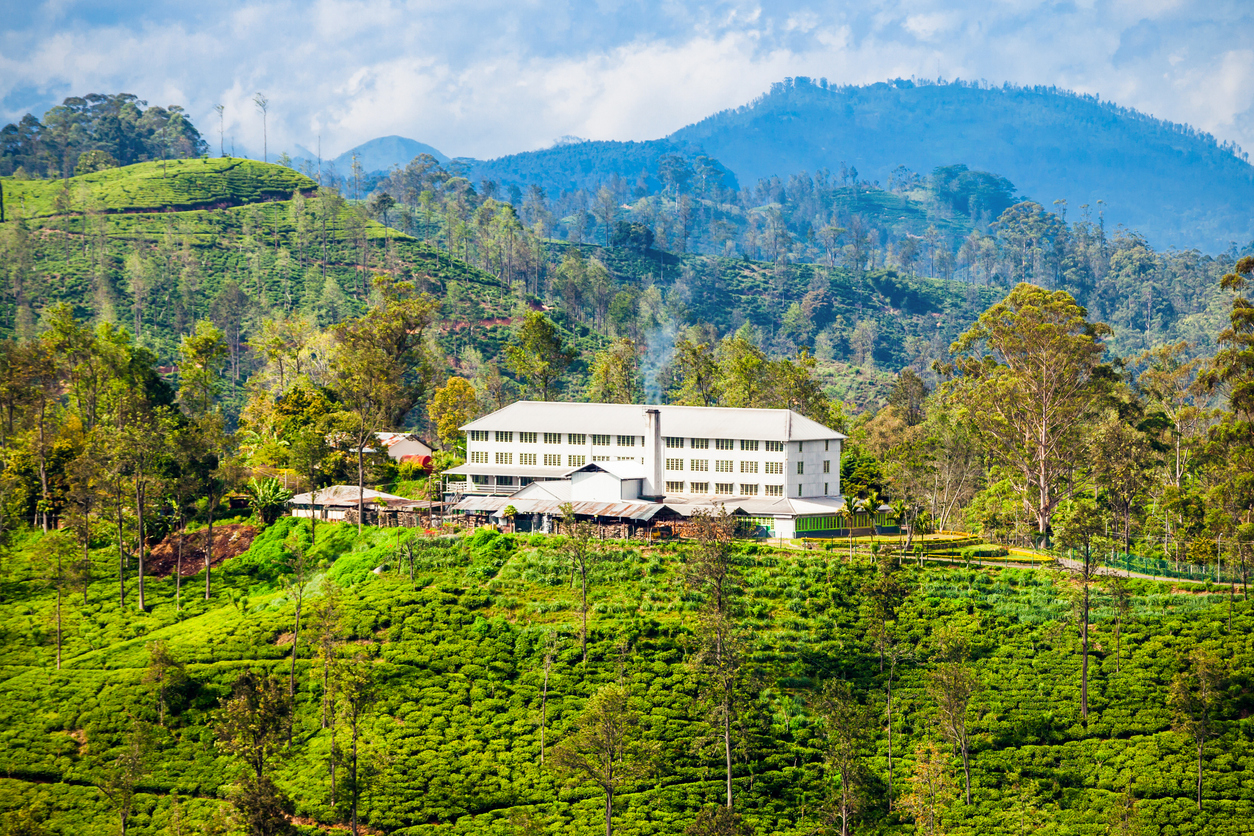
Imagine waking up to soft mists swirling over rolling hills blanketed in emerald tea bushes. The air is fragrant with fresh earth and leaf. Tea estates in picturesque regions such as Sri Lanka’s Nuwara Eliya, India’s Darjeeling, or Kenya’s Kericho invite travellers to experience tea beyond the cup—by living on the land where it is lovingly nurtured. Additionally, cultural tea experiences in these regions often include local hospitality and traditional tea tastings.
Many estates offer charming colonial or boutique-style lodges set right amidst the plantations. These settings blend comfort with rustic charm. Guests can immerse themselves in the unique rituals and social moments that make cultural tea experiences so rewarding.
This immersive farm-to-cup journey deepens appreciation for tea’s journey from leaf to cup, framing each sip with a richer story—and incredible memories. Moreover, these special cultural tea experiences connect visitors with the heritage of the region.
Tea Gardens as UNESCO Heritage Sites: Preserving Culture and Ceremony
Some of the world’s most iconic tea traditions and landscapes have earned UNESCO World Heritage designations. These recognize and preserve their cultural and historical significance for future generations. Visiting these sites is a journey not just into tea production but into living heritage. Heritage sites truly highlight historical cultural tea experiences that shape local identity.
For example, the ancient tea terraces in the mountainous regions of China, especially around Yunnan Province—the birthplace of tea—are recognized for their millennia-old cultivation methods and unique biodiversity. Visitors can explore centuries-old villages where tea farming traditions persist. They can sample wild teas that echo legends. It’s an inspiring way to engage with the rich tapestry of cultural tea experiences passed down through generations.
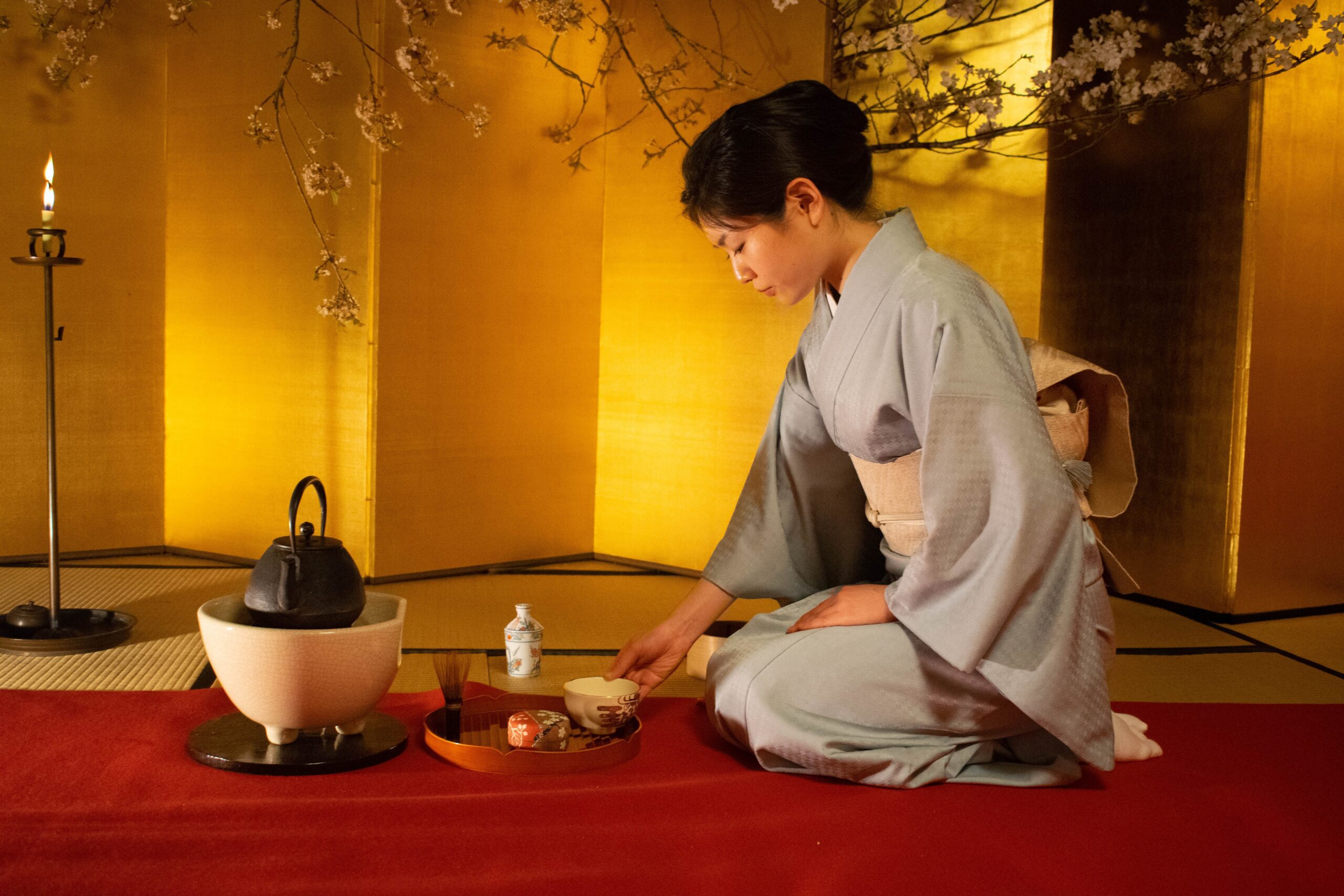
In Japan, the ritualistic tea ceremony (“chanoyu”) is a spiritual art form upheld at historic tea houses and gardens in Kyoto. This precise, meditative experience continues to exemplify the values of harmony and respect that define Japanese culture. Many designated gardens offer special tea ceremonies set amid stunning seasonal landscapes. These allow travelers to witness and participate in time-honored rituals. Cultural tea experiences at UNESCO sites provide unique insight into heritage preservation and authentic tea customs.
Visiting UNESCO-listed tea heritage sites offers travelers a rare chance to step back in time, deepen cultural understanding, and witness tea’s role as a living tradition. Through these journeys, one truly immerses in cultural tea experiences that bridge past and present.
Collecting Tea Souvenirs (and Stories): Keepsakes That Brew Memories
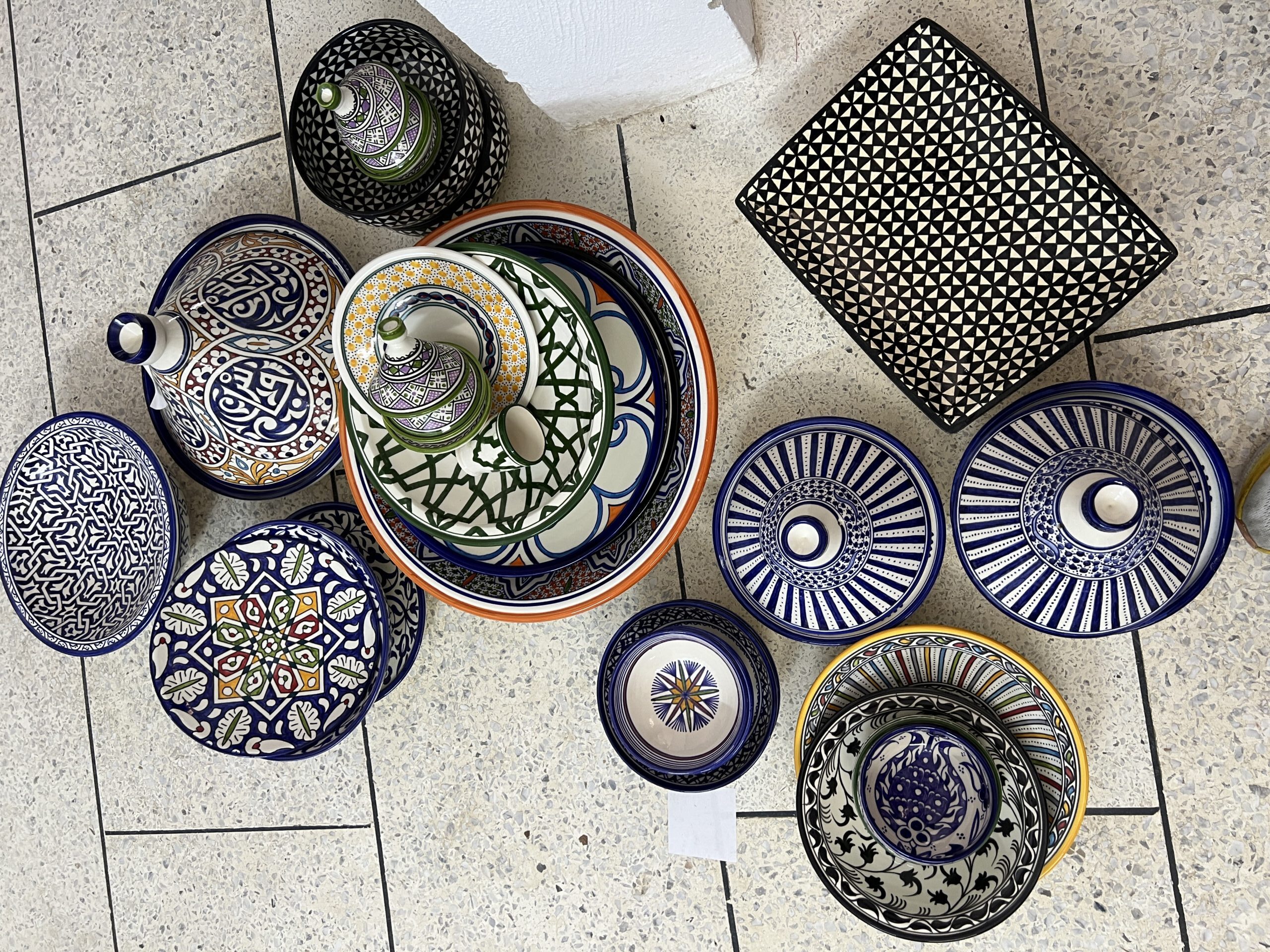
For many tea lovers, the joy of tea travel extends beyond tasting to collecting uniquely local tea treasures. From artisanal teapots carved by skilled craftsmen to rare single-origin tea blends available only in hidden mountain villages, tea souvenirs become vibrant reminders of your journeys and stories worth sharing. These treasured objects are often tied to the cultural tea experiences enjoyed across the globe.
In Morocco, hand-painted ceramic tea glasses and intricate silver tea sets bring home the sensory magic of mint tea ritual. In China or Japan, beautifully crafted tea utensils—whisks, scoops, ceramic bowls—are both functional and deeply symbolic creations, making them treasured keepsakes or gifts. As you gather souvenirs, these items reflect the richness of various cultural tea experiences worldwide.
Many tea estates offer their own signature blends, sometimes exclusive to their region or harvest, perfect for bringing a literal taste of your travels back home. These prized selections spark conversation, allowing you to share who, where, and how the tea touched your soul. In fact, the act of collecting tea souvenirs is another dimension of cultural tea experiences, creating a personal connection to tea traditions.
Collecting tea souvenirs isn’t just about the object; it’s about capturing the passion, history, and culture behind every cup. This creates a tangible connection to your world travels. Every souvenir serves as a token of your authentic cultural tea experiences abroad.
Start Your Own Tea Adventure
Whether you choose to stay immersed among tea fields, dive into revered tea ceremonies at heritage sites, or curate your own collection of tea treasures, the world invites you to taste travel in every leaf. Tea travel perfectly blends culture, nature, history, and sensory delight into journeys that stay with you long after the last sip. Ultimately, embarking on your own travels allows you to discover countless cultural tea experiences to enrich your life.
If tea travel is calling your name, check out our curated itineraries and expert insights designed to elevate every tea-inspired journey. And don’t forget to listen to our latest podcast episode celebrating National Tea Day—the perfect companion for every tea lover’s wanderlust. Your next trip could be filled with new cultural tea experiences waiting for you.


