
There’s a moment in trip planning that most people don’t talk about. You open a tab. Maybe two. You find yourself comparing itineraries, imagining what the light looks like in a particular city at a particular time of year. And somewhere in the middle of all of that, something shifts.
In fact, thoughtful planning of a trip often brings unexpected emotional relief.
It’s not wishful thinking. It’s neuroscience.
The Science Behind the Feeling of Trip Planning
Research in behavioral health confirms what frequent travelers already sense intuitively: the mental health benefits of travel don’t begin when you land. They begin the moment you start anticipating the journey. When we look forward to a meaningful future experience, the brain releases dopamine — the neurochemical associated with motivation, pleasure, and reward. Having something worth anticipating creates a sustained mood lift that can carry you through weeks of ordinary life. Notably, trip planning contributes significantly to this positive anticipation.
A 2010 study published in Applied Research in Quality of Life found that vacationers reported significantly higher happiness levels before their trips than non-vacationers — driven largely by anticipation. For most people, the researchers noted, the enjoyment starts weeks, even months before the holiday actually begins.

Trip Planning Is Part of the Healing
I recorded this week’s podcast episode right after returning from a funeral. On the drive home, my brain did what it always does — it started planning. A multigenerational cruise. The right ship for family members who need accessibility. The right itinerary for everyone’s travel style. A real reason to gather that isn’t a loss. That process of trip planning gave me back hope.
Before I had booked a single thing, I felt better.
That’s not a coincidence. Envisioning a future experience — even one that may not materialize exactly as imagined — activates the parts of your brain associated with hope and possibility. A Wisconsin medical journal study found that women who vacation at least twice a year are significantly less likely to suffer from depression and chronic stress. But the research suggests the protective effect isn’t only about the vacation itself. It’s about having the vacation to look forward to; trip planning itself is therapeutic.
Trip planning is part of the prescription.
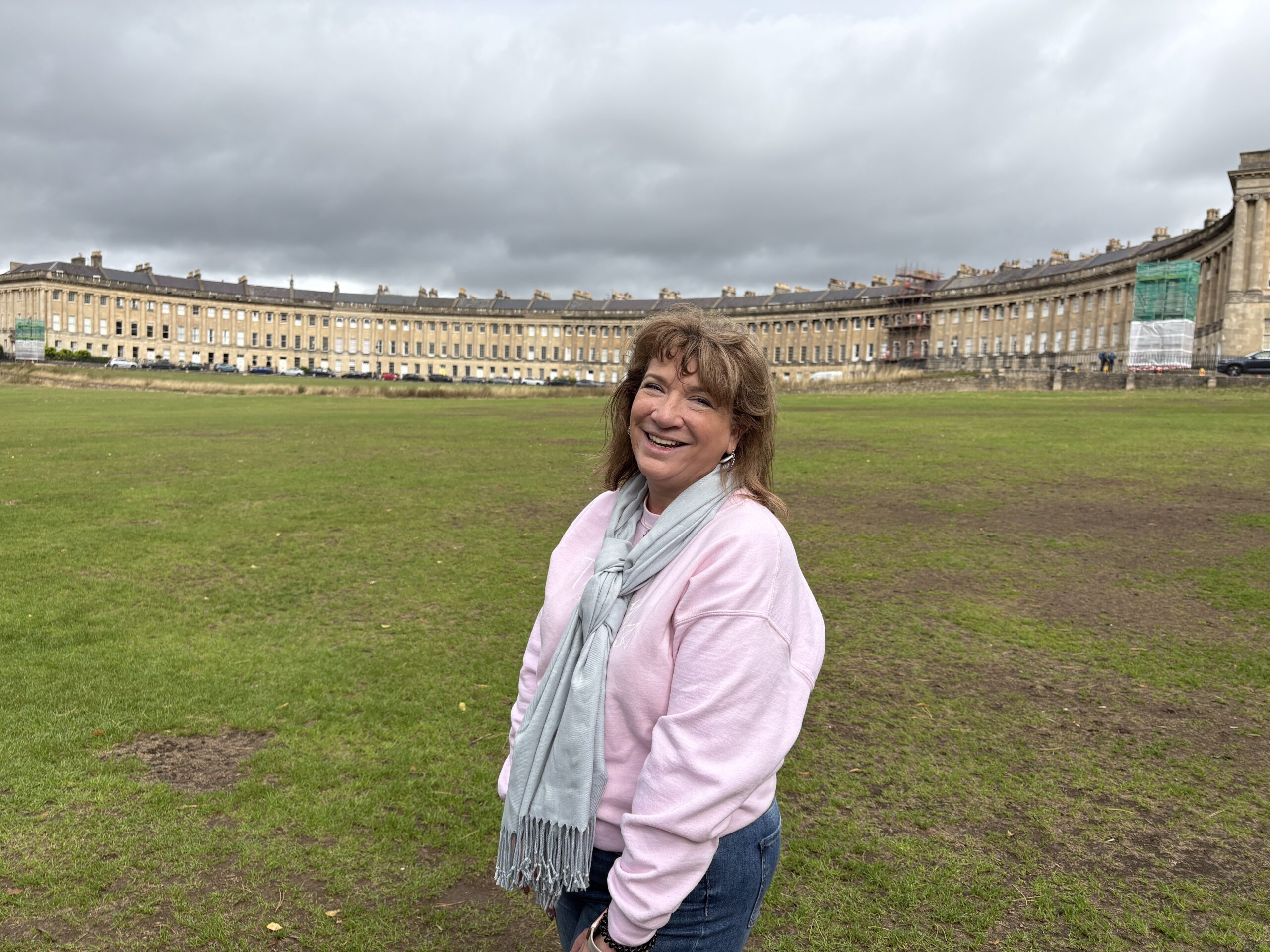
The Set-Jetting Effect
This anticipatory power is even more pronounced when the destination already carries emotional weight — which is exactly why set-jetting trips tend to generate some of the most potent pre-trip excitement of any travel experience. You’re not imagining somewhere unfamiliar. You’re imagining stepping into a story that has already lived in your mind for years, with landscapes and moments that feel like coming home to somewhere you’ve never actually been. For set-jetting, trip planning takes on added importance as you focus on the memories attached to the destination.
That’s a different kind of anticipation. And it delivers a different kind of trip.
What This Means for You
The trip planning you’ve been putting off is a form of self-care. Opening those tabs, building that itinerary, or simply allowing yourself to imagine what your next great experience could look like — all of it counts. The research supports it.

Furthermore, on weeks when life feels heavy or the booking landscape feels complicated, dedicating a few moments to planning your trip is enough to shift your mindset.
The trip is already working, thanks to the act of planning it.


